The machinery
of the movies
Cameras, film stock, sound, laboratories and the studio lot: the tools and the factory floor that turned moviemaking into an industry, and how they keep changing.
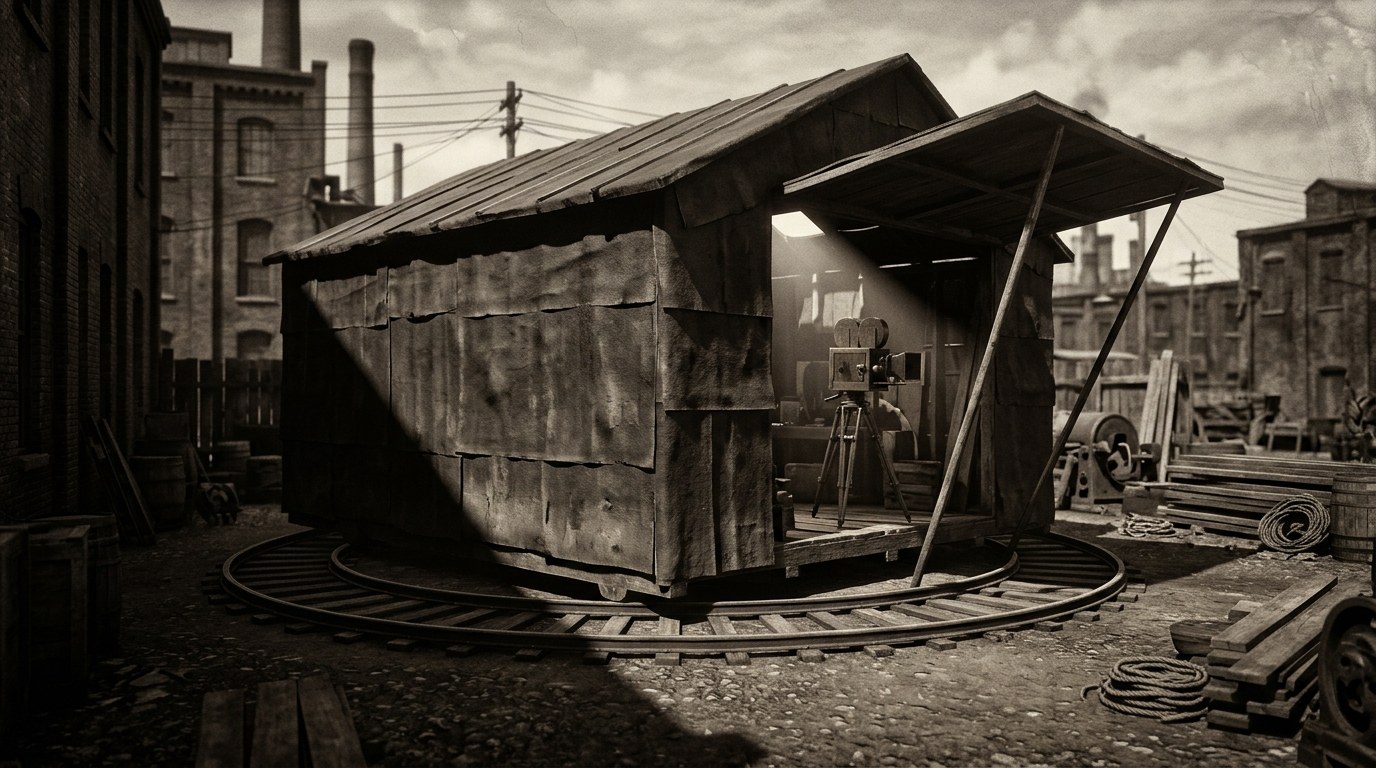
A studio that
chased the sun
A tar-paper shed on a turntable, swung round all day to catch the light. The first film studio was a machine.
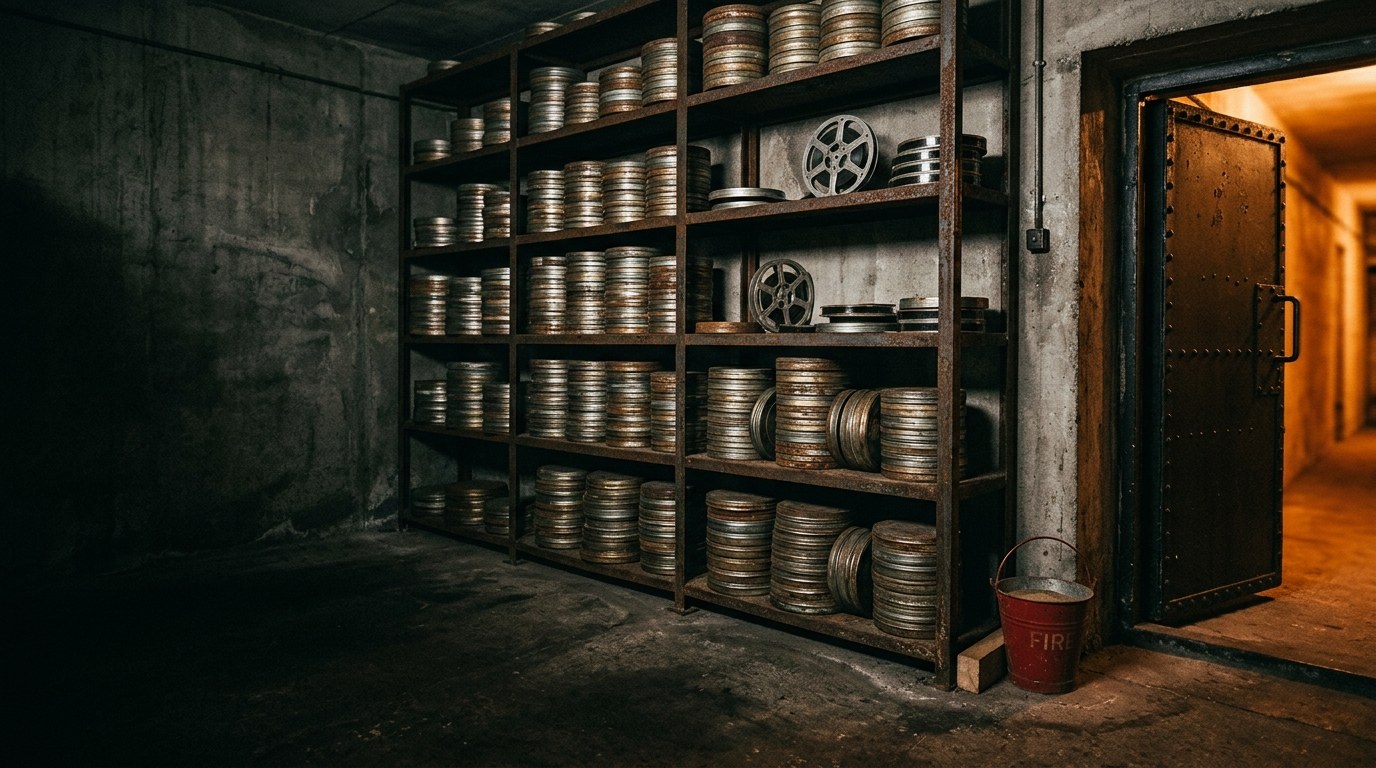
Beautiful,
and it burned
Nitrate stock gave the movies their glow and their danger. Vaults, fire doors and a lot of lost films.
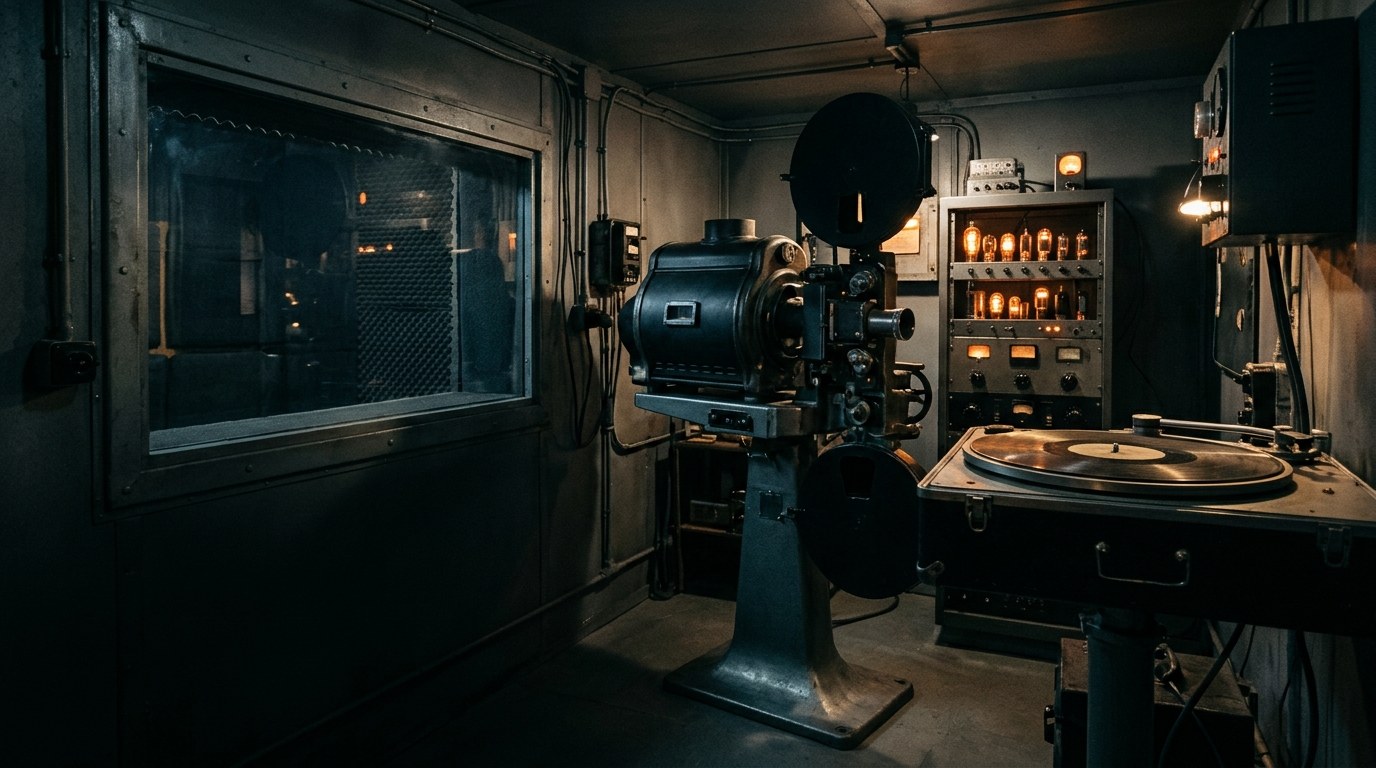
The race to put
sound on film
Discs against stripes of light on the film itself. How the talkies were wired, and which system won.
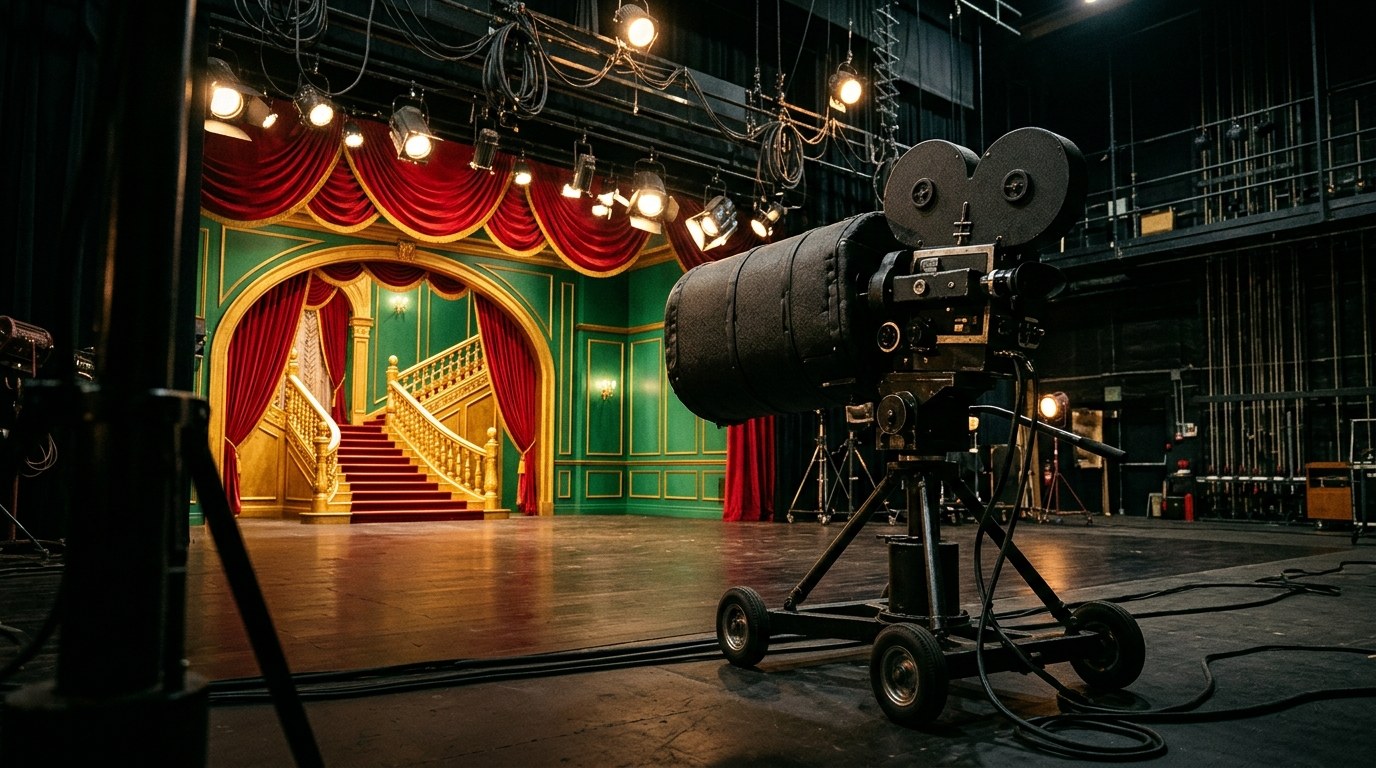
Three strips
of colour
A heavy camera, three negatives at once, and the saturated look of the studio golden age.
01 / 05
How the machine was built
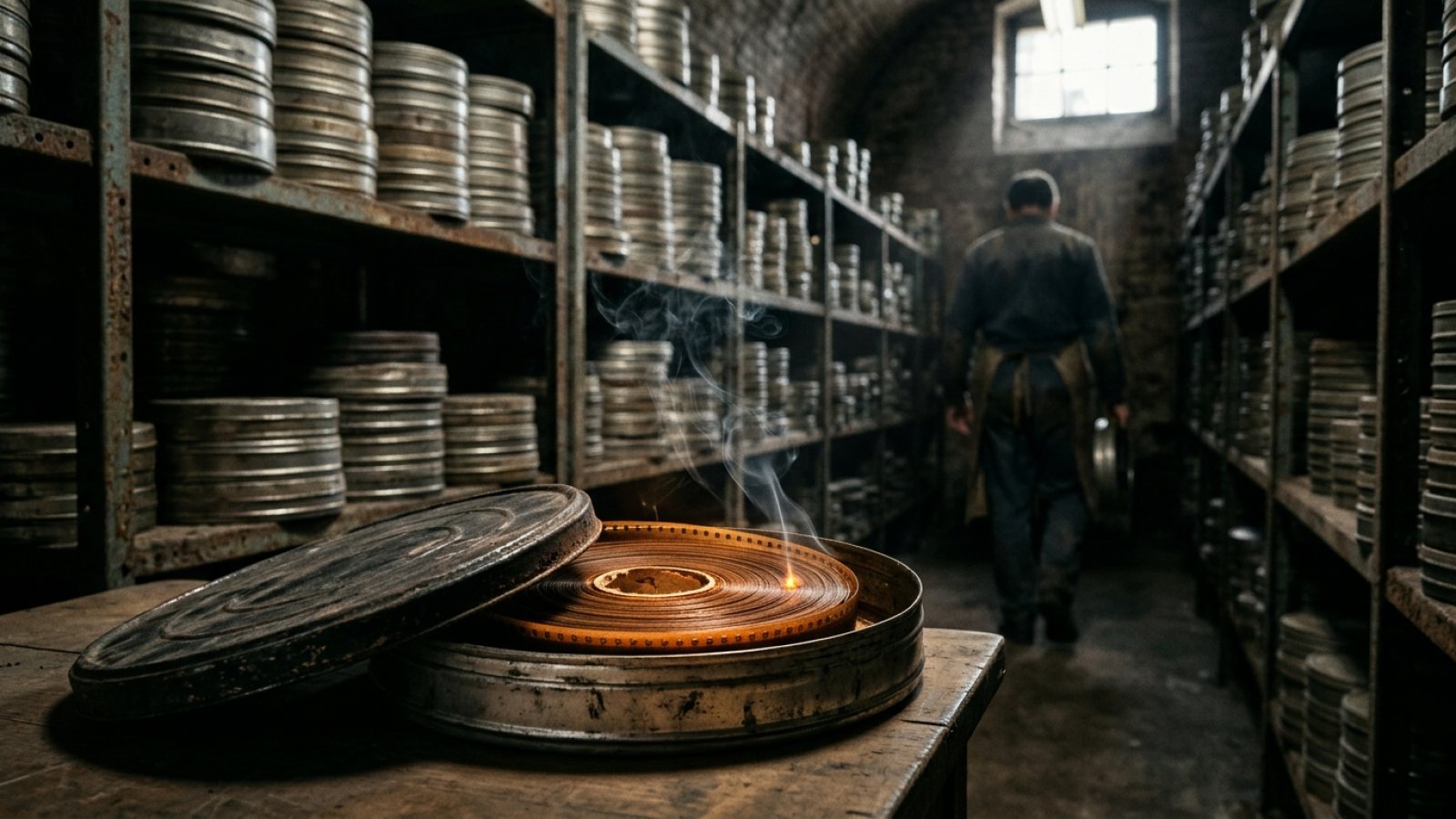 1880s–1950sNitrate, the dangerous beauty
Film stockFor decades, the vibrant images of early cinema were etched onto a material both brilliant and inherently volatile. Read the story →
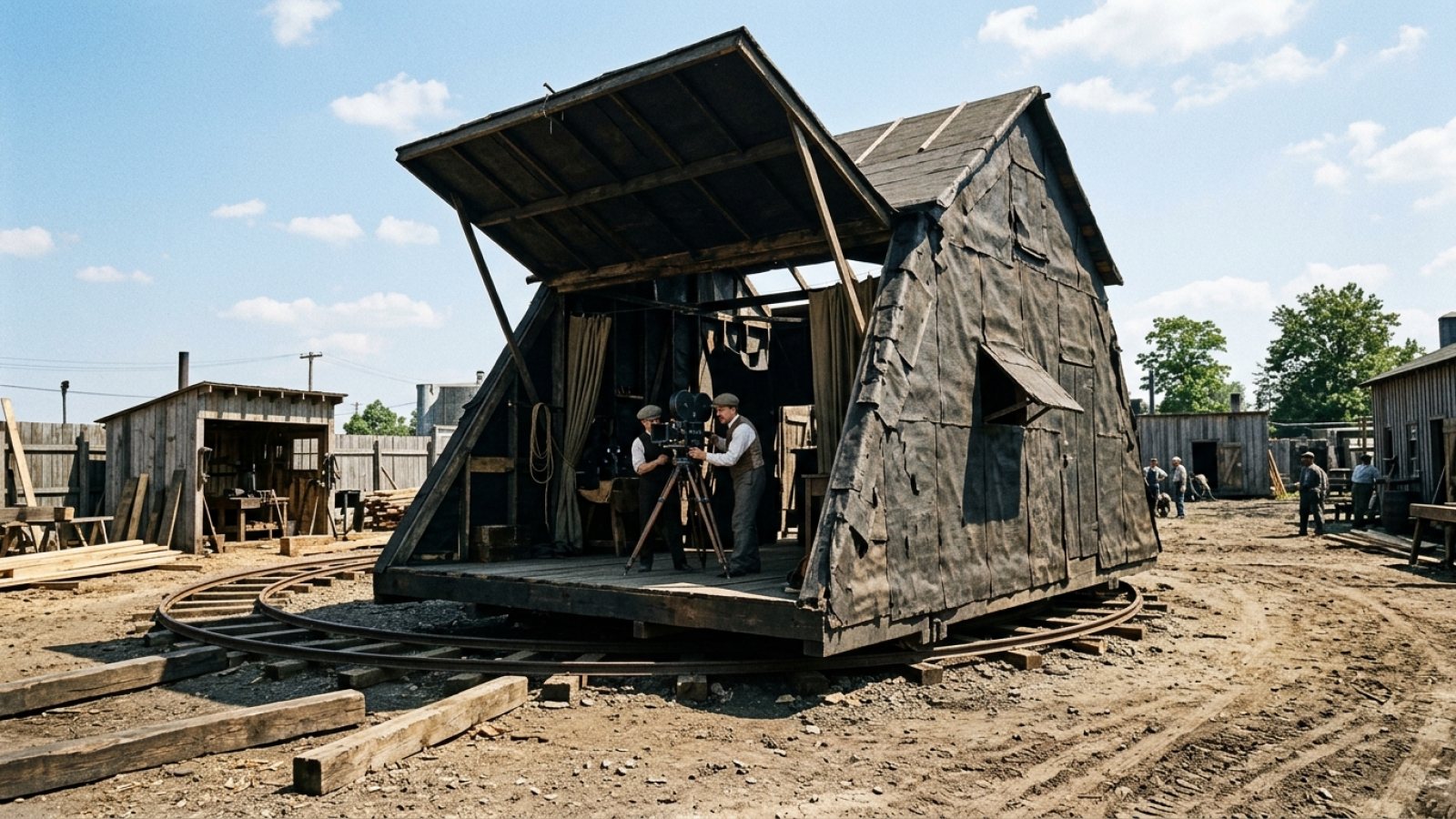 1893The Black Maria
StudioEdison’s company built the first film production studio at West Orange, New Jersey: a tar-papered shed on a turntable, swung round to follow the sun. Read the story →
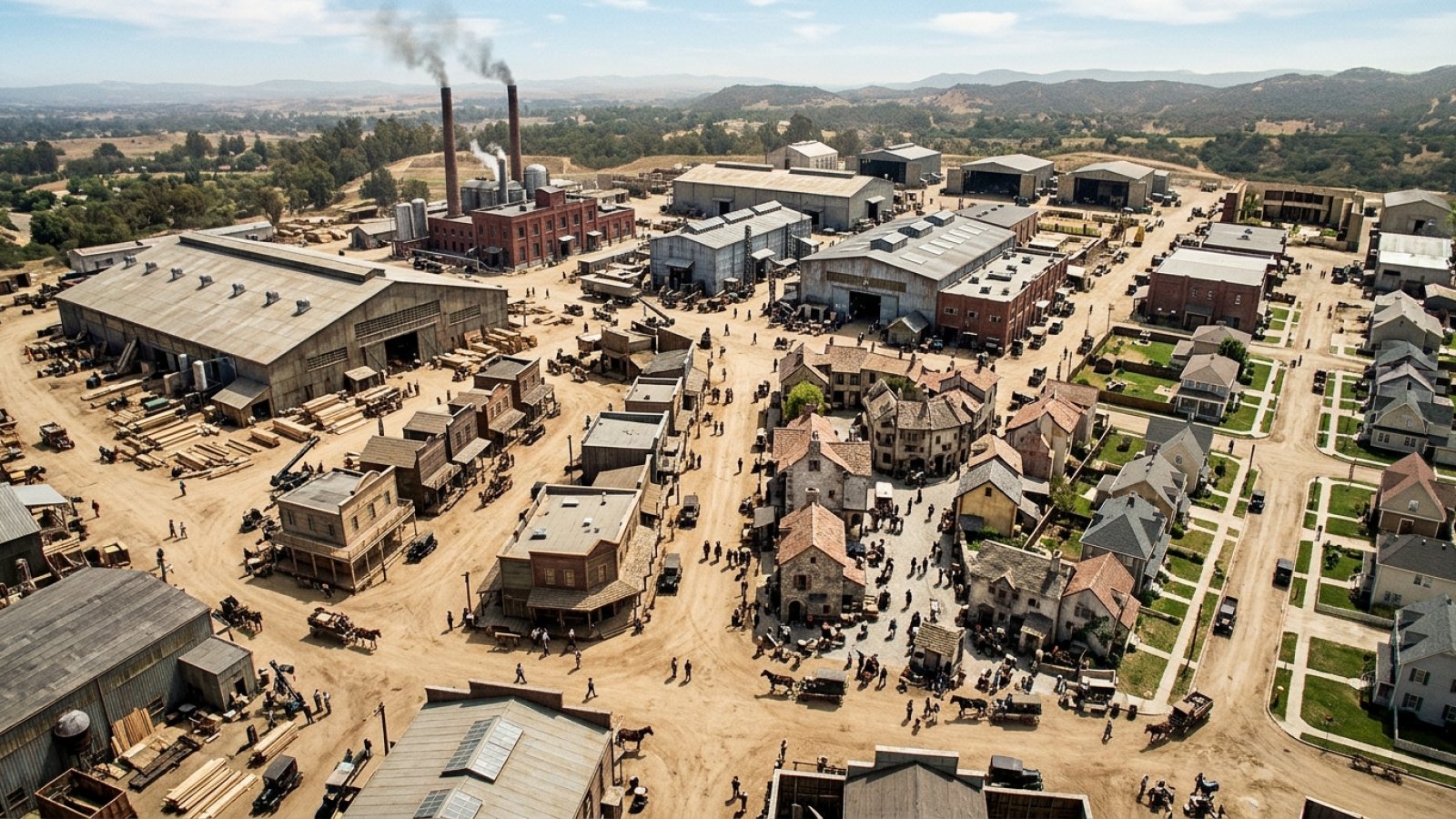 1915Universal City opens
FactoryCarl Laemmle opened Universal City in March 1915, a purpose-built studio town where pictures were made on a production line. Read the story →
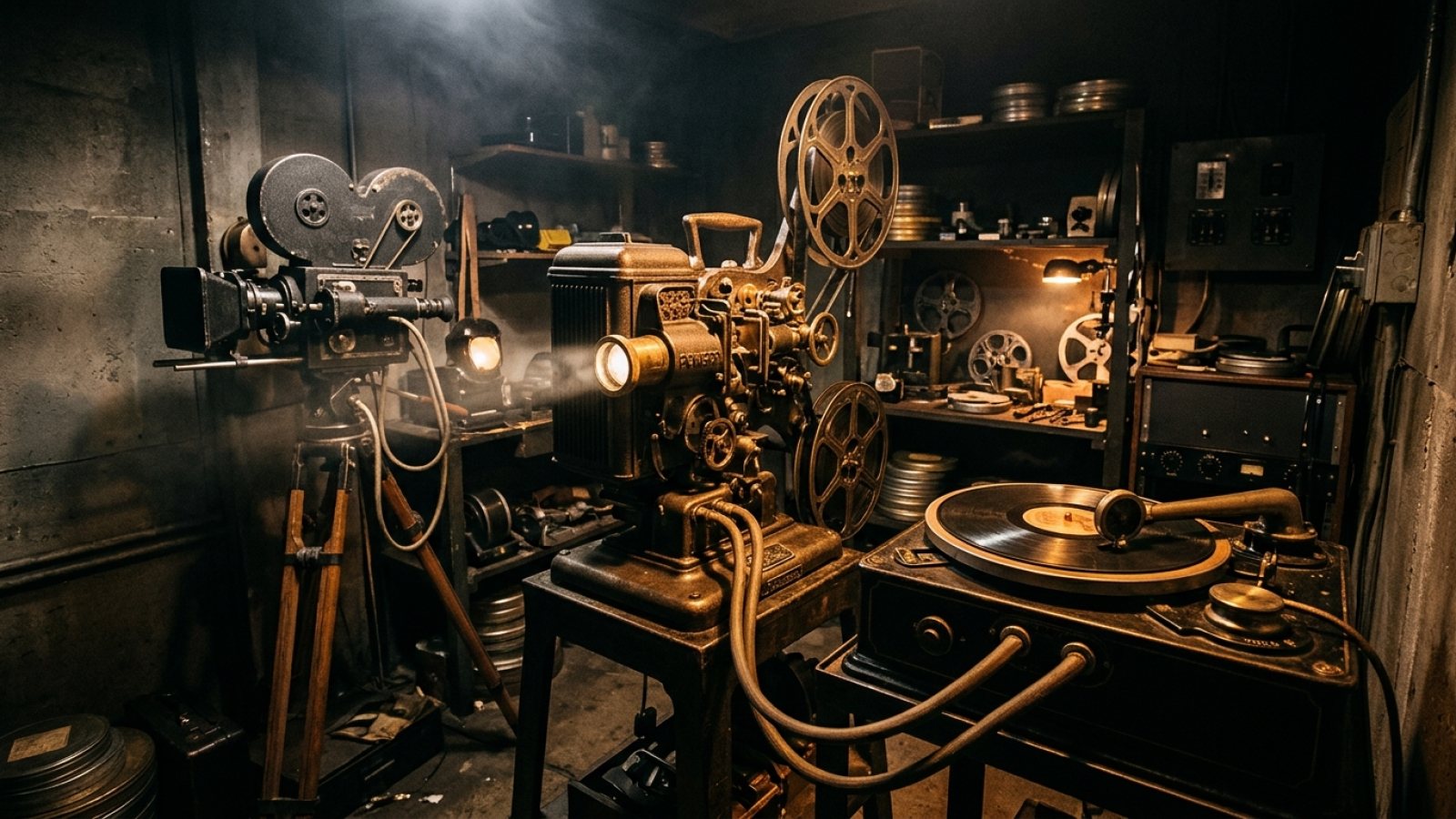 1927The talkies arrive
SoundWarner Bros.’ Vitaphone sound-on-disc carried The Jazz Singer in 1927; within a few years sound recorded on the film itself had won out. Read the story →
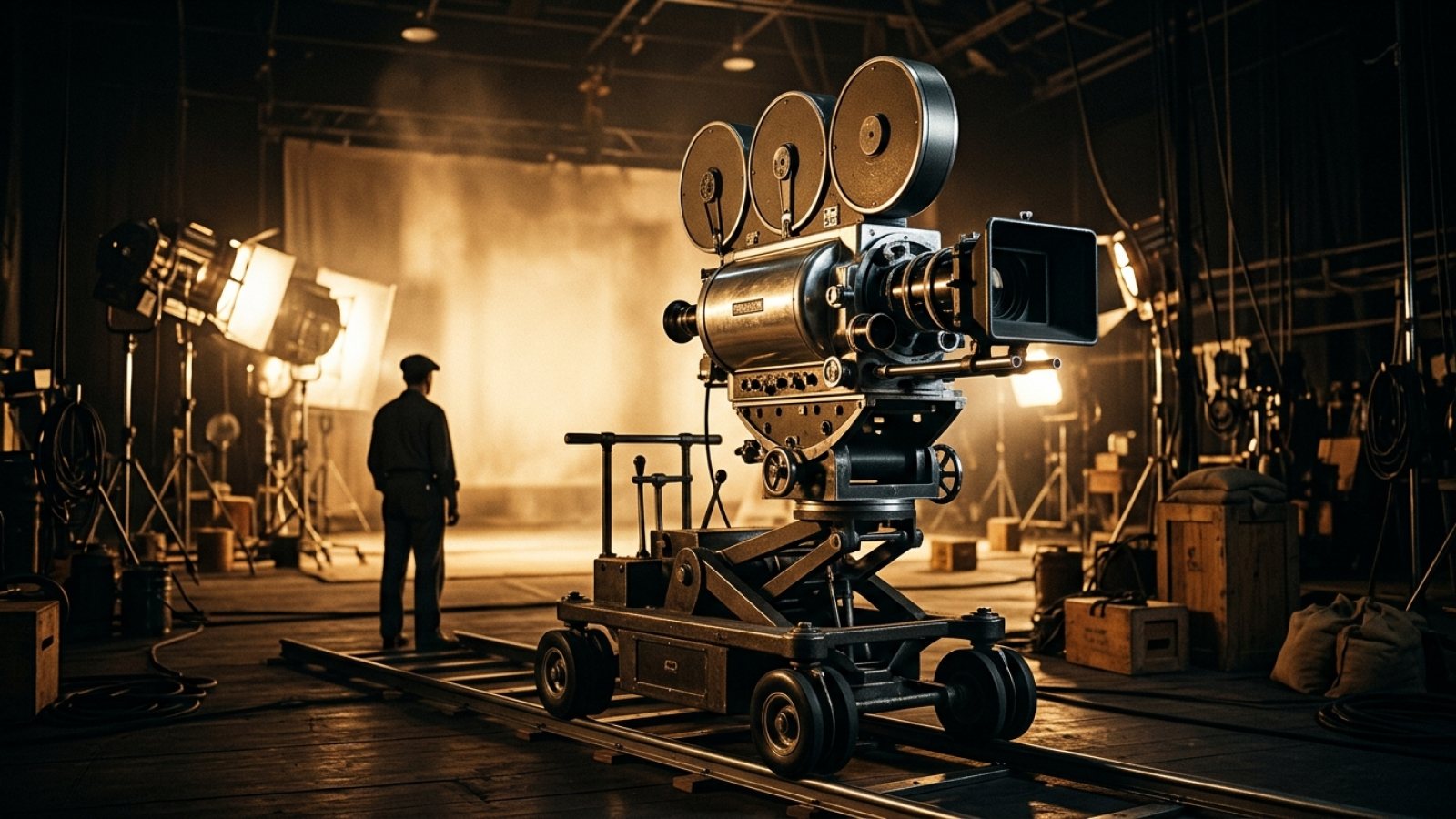 1935Three-strip Technicolor
ColourBecky Sharp (1935) was the first feature made entirely in three-strip Technicolor, shot with a camera that exposed three negatives at once. Read the story →
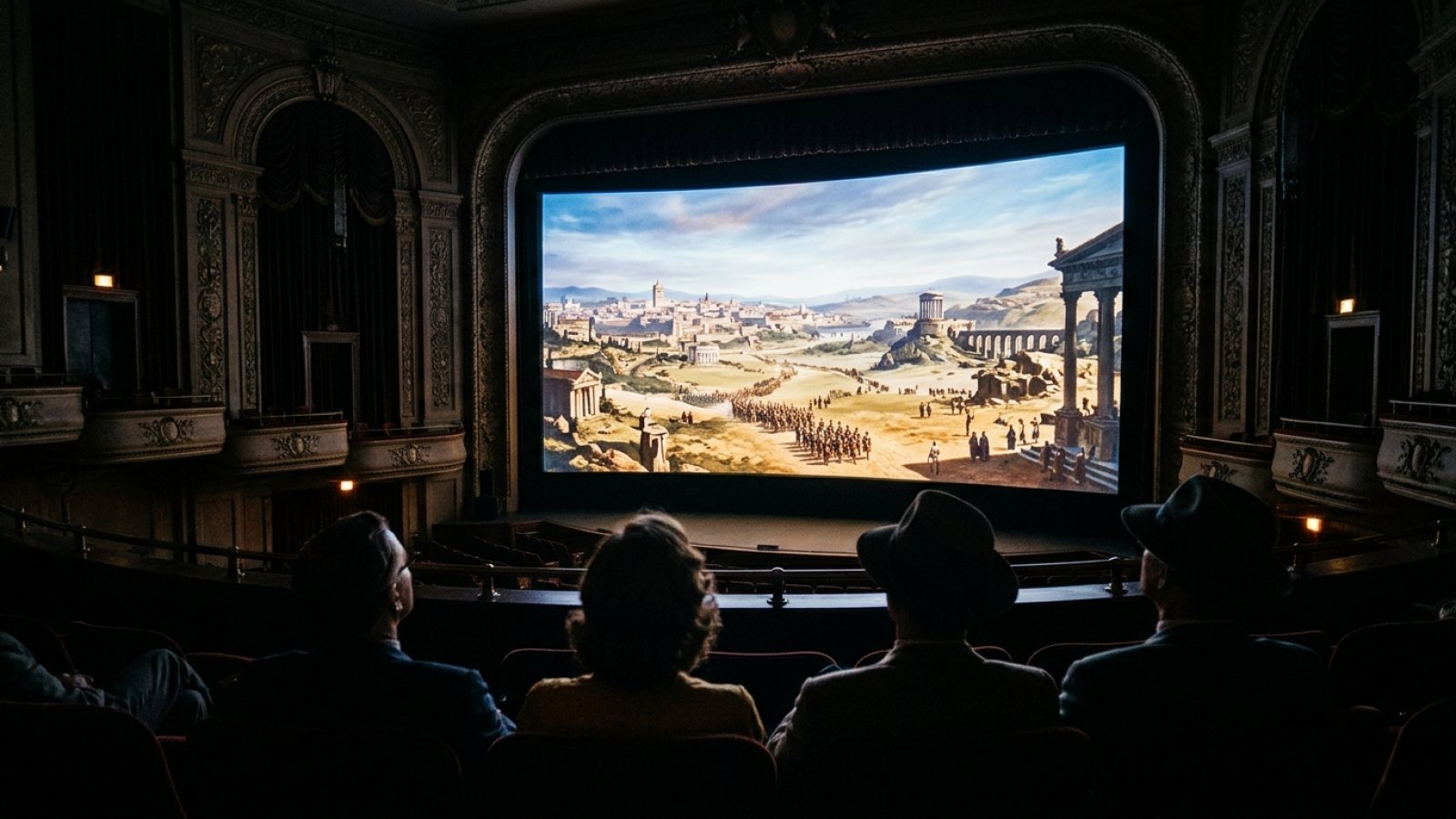 1953CinemaScope
WidescreenTwentieth Century-Fox launched CinemaScope with The Robe in 1953, squeezing a wide image onto 35mm film with an anamorphic lens. Read the story →
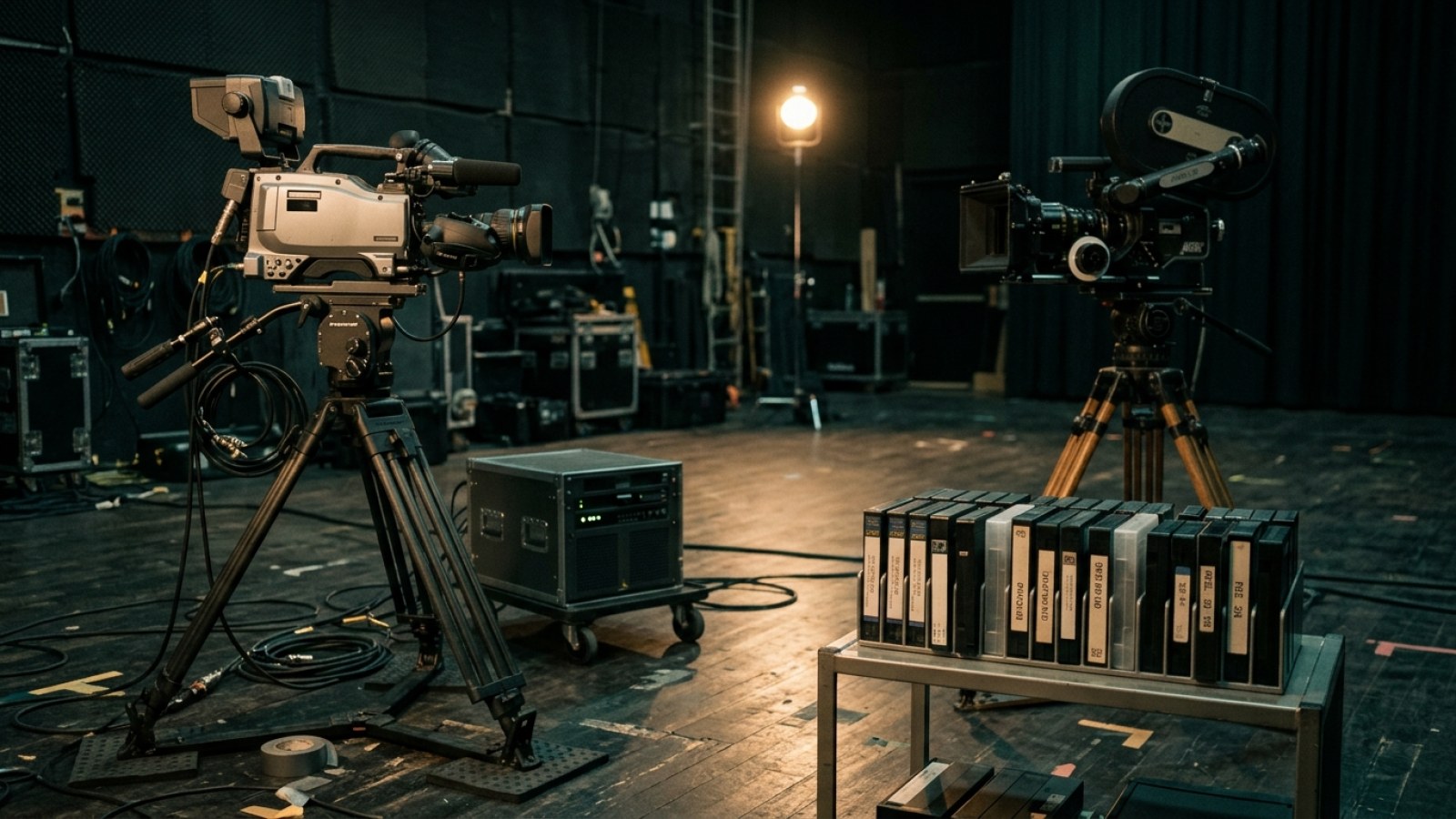 2002Shot without film
DigitalStar Wars: Episode II – Attack of the Clones was shot on Sony high-definition digital cameras, an early major feature made without film. Read the story →
- TodayTodayFilm and pixels
Digital cameras and LED stages dominate, yet film stock is still made and still chosen, and the old craft departments carry on. Read the story →
Hover over a picture, or tab through the years, to read about it here. Click to open the story.
The machines
The camera
From hand-cranked boxes to blimped studio cameras, Steadicam and digital sensors.
StockThe film
Nitrate, safety acetate, colour negative: the strip of film and its chemistry.
SoundThe track
Sound on disc, sound on film, stereo and beyond: how the movies learned to talk.
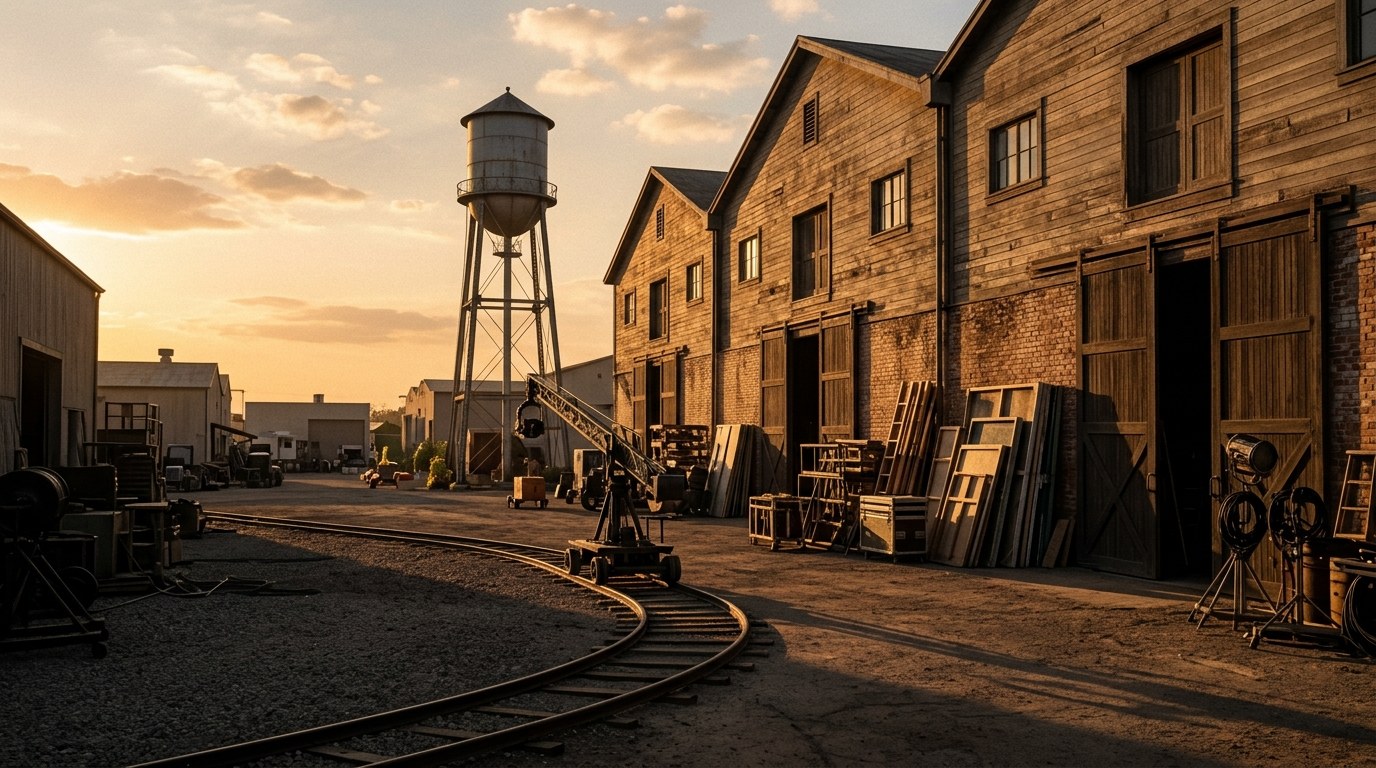
StudioThe lot
Stages, labs and departments: the studio as a factory that turned out films every week.
The Back Lot
Hank and Rosa walk the machinery of moviemaking: the cameras, film stocks, sound systems, laboratories and studio lots that made the movies a true factory of films.
With Hank and Rosa. New episodes weekly.
Recommended